
Key Highlights
- LG Display introduces a curved OLED face for humanoid robots, designed to deliver more natural and expressive interactions.
- New 7.2-inch flexible P-OLED panel combines durability, energy efficiency, and high brightness for smart home robotics.
- Technology race intensifies as LG and Samsung expand OLED applications for AI-powered robots.
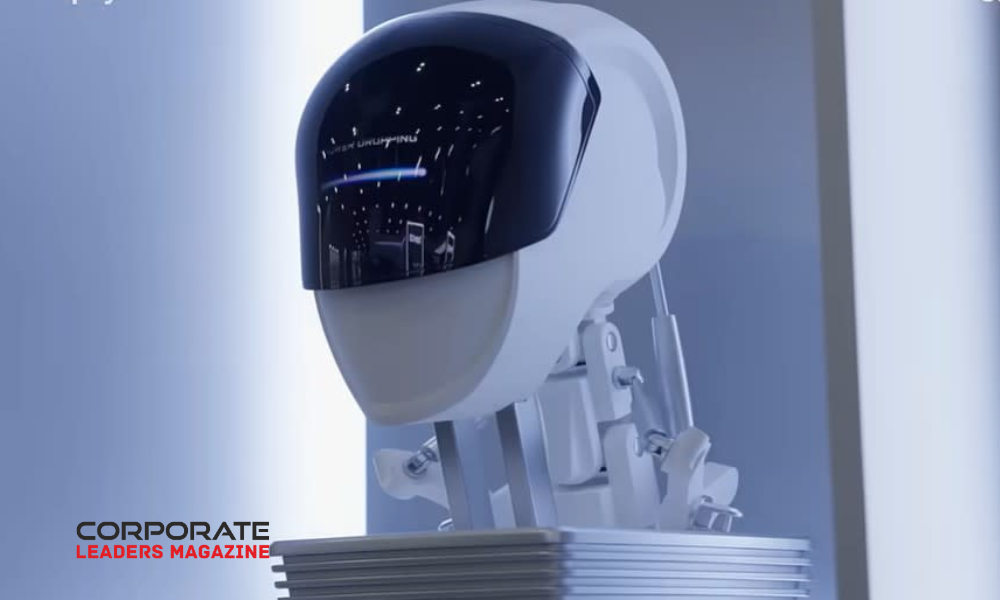
LG Display has unveiled a curved 7.2-inch OLED display designed specifically for humanoid robot expressions at SID Display Week 2026, signaling a new step toward more interactive smart home robotics.
The new flexible P-OLED panel is designed to function as a robot’s face,” enabling humanoid assistants to visually communicate information through expressive interfaces. Unlike traditional flat displays, the curved design naturally wraps around robotic head structures, helping interactions feel more lifelike and intuitive.
Flexible OLED Designed for Robot Applications
The display is built on a polyimide substrate that offers flexibility while maintaining durability. According to the company, the panel meets automotive-grade durability standards and can operate over a temperature range of -30°C to 85°C.
The OLED face also offers a lifespan of over 15,000 hours and delivers brightness up to 1,000 nits, making it suitable for both indoor and variable lighting conditions.
LG Display said the technology is powered by its third-generation Tandem OLED architecture, which reduces power consumption by 18% compared to previous versions. Lower power usage is particularly important for battery-powered robots that must manage heat generation while performing household tasks.
Designed for Smarter Human-Robot Interaction
The demonstration interface showcased several practical features aimed at improving communication between robots and users, including:
- Greeting animations
- Battery status indicators
- Weather updates
- Sleep mode notifications
- Calendar reminders
Because OLED technology illuminates individual pixels independently, black portions of the screen remain completely off, helping conserve energy. This allows the robot display to show only relevant information while extending battery life.
The display is also integrated with LG Electronics’ CLOiD humanoid robot platform, which debuted earlier at CES 2026, featuring dual 7-degree-of-freedom robotic arms designed for household assistance.
Competition in Robot Displays Intensifies
The development highlights growing competition in robotic display technology. At the same event, Samsung Display showcased a 13.4-inch circular OLED display intended for smaller AI robot applications.
Both companies are increasingly positioning flexible OLED technology as a better alternative to rigid LCD panels for robotics, offering improved image quality, lower power consumption, and greater design flexibility.
As smart home robotics continue evolving, expressive display systems are becoming an important part of improving user comfort and interaction. By combining flexible OLED technology with humanoid robotics, LG Display is aiming to make future home assistants feel more responsive, informative, and natural in everyday environments.